

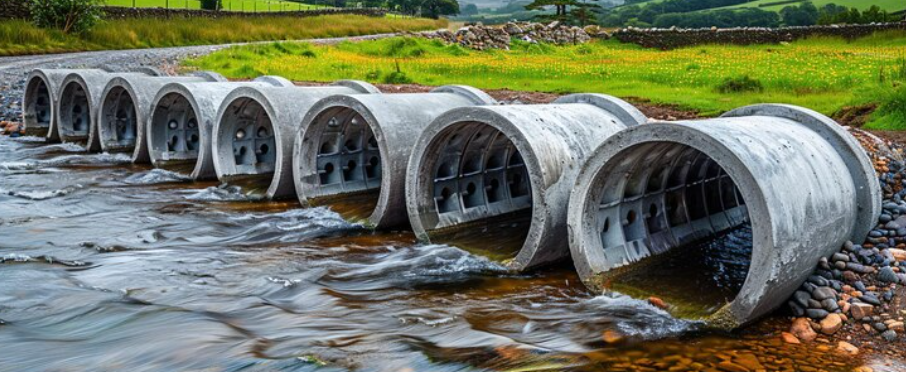
Railway systems are an important part of transportation, but they must be built in a way that allows nature to continue functioning smoothly. One of the key challenges in railway construction is managing water flow beneath tracks. Without proper planning, water can collect, cause flooding, or weaken the ground under the rails. This is where railcar culverts play a very important role. These structures are designed to let water pass safely under railway lines without damaging the track or surrounding soil. They help maintain stability, reduce risks, and ensure trains can run safely in all weather conditions. Understanding how they work shows why they are essential in modern railway engineering.
Understanding Railcar Culverts and Their Role
Railcar culverts are drainage structures built under railway tracks to allow water to move freely from one side to the other. They are usually made from strong materials like concrete, steel, or reinforced pipes. Their main purpose is to prevent water from collecting under or around the railway foundation. When heavy rain occurs, water naturally flows toward low areas. Without culverts, this water would stay trapped under the tracks and weaken the ground. By guiding the water safely through, railcar culverts help keep the railway structure stable and secure over time.
Improving Water Flow and Drainage Efficiency
One of the most important benefits of railcar culverts is improving water flow efficiency. They create a controlled path for water, allowing it to move quickly and smoothly under the railway line. This reduces the chances of water buildup on one side of the track. When water flows without restriction, it also prevents overflow onto the railway surface. In areas with heavy rainfall or seasonal flooding, this function becomes even more important. Efficient drainage ensures that railway operations are not interrupted and trains can continue running without delays caused by water-related problems.
Protecting Railway Infrastructure from Water Damage
Water can be very damaging to railway infrastructure if not managed properly. Soil erosion, track misalignment, and foundation weakening are common issues caused by uncontrolled water flow. Railcar culverts help protect against these problems by directing water away from sensitive areas. When water is guided through a stable channel, it does not wash away soil or weaken the track base. This protection extends the life of the railway line and reduces the need for frequent repairs. In the long term, this also helps reduce maintenance costs and improves overall safety for train operations.
Environmental and Safety Benefits
In addition to protecting infrastructure, railcar culverts also provide environmental and safety benefits. They help maintain the natural movement of water, which is important for surrounding ecosystems. Streams and drainage paths are not blocked, so plants and wildlife are less affected. From a safety perspective, culverts reduce the risk of track flooding, which can lead to accidents or service interruptions. By managing water properly, they help create a safer railway environment for both passengers and railway workers, especially during extreme weather conditions.
Maintenance and Long-Term Performance
Like any infrastructure component, railcar culverts require regular inspection and maintenance to perform well over time. Debris, soil, or vegetation can sometimes block the water passage, reducing efficiency. Routine cleaning ensures that water continues to flow freely. Engineers also check for cracks or damage in the structure to prevent future problems. When properly maintained, culverts can last for many years and continue to provide reliable water management. Their durability makes them a cost-effective solution for railway systems in both urban and rural areas.
Conclusion
Railcar culverts are essential structures in railway engineering that ensure safe and efficient water flow beneath rail lines. They help prevent flooding, protect infrastructure, support environmental balance, and improve overall railway safety. By allowing water to move naturally without damaging the tracks, they play a key role in keeping rail systems reliable and long-lasting. Proper design and maintenance of these culverts ensure that railway networks remain strong and functional even in challenging weather conditions.
Leave a Reply